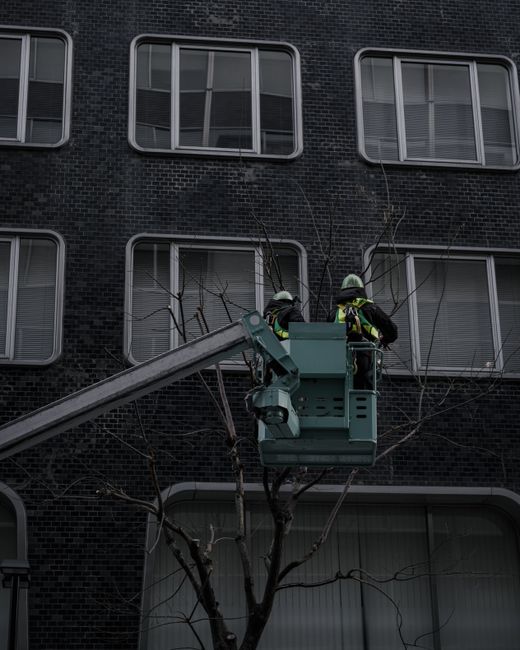
Creating safe access for removal teams in narrow terraced properties

Narrow terraced streets can look charming from the pavement, but they can make a removal job awkward very quickly. Tight hallways, steep steps, shared front paths, parked cars, low ceilings, and awkward furniture all add up. Creating safe access for removal teams in narrow terraced properties is not just about making life easier on moving day; it is about reducing damage, preventing injuries, and helping the whole clearance run on time without a lot of faff.
Whether you are clearing a house after a move, handling a bereavement clearance, or shifting bulky items from a cramped upstairs room, access planning matters. The good news? With a bit of preparation, a narrow terrace can still be managed efficiently. In this guide, we break down the practical steps, the common traps, and the sensible decisions that make a real difference. No fluff. Just the useful stuff that helps removal teams work safely and helps you avoid that sinking feeling when the sofa gets stuck halfway down the stairs.
- Why access planning matters
- How safe access is created
- Benefits and practical advantages
- Who needs this approach
- Step-by-step guidance
- Expert tips
- Common mistakes to avoid
- Tools, resources and recommendations
- Law, compliance and best practice
- Methods and comparison
- Real-world example
- Practical checklist
- Conclusion
- Frequently asked questions
Why Creating safe access for removal teams in narrow terraced properties Matters
Narrow terraced properties create a very specific kind of challenge. Space is limited at the front, the hallway is usually tight, and internal turning space can be almost non-existent. That means the removal team often has to move large or heavy items through a route that was never really designed for it. A wardrobe might fit in theory, but theory is a poor substitute for a stair landing with a sharp turn and a radiator sitting right where it shouldn't be.
Safe access matters because the risks are real. Staff can strain backs, slip on uneven steps, or catch hands on door frames and banisters. Property damage is also common when people try to force an item through a corridor that is simply too narrow. Scratched paintwork, chipped plaster, broken handles, and cracked tiles are the sort of things nobody wants to explain after the fact.
There is also the practical side. If access is poor, the job slows down. Teams may need extra hands, more time, or a different removal method altogether. That affects scheduling, cost, and in some cases whether the clearance can happen in one visit. To be fair, most delays in terraced house clearances are avoidable. They just need a bit of planning before the van turns up.
If the clearance involves bulky furniture, mixed household waste, or heavier items from a loft, garage, or cellar, access planning becomes even more important. Services such as house clearance and furniture clearance are often straightforward in larger homes, but terraced layouts need a more careful approach.
How Creating safe access for removal teams in narrow terraced properties Works
Safe access is not a single action. It is a sequence of small decisions that reduce risk from the moment the team arrives. First, the route is assessed. Then the items are checked against that route. After that, obstacles are removed, protection is put in place, and the loading plan is adjusted so that workers are not trying to wrestle an oversized cabinet through a doorway at an awkward angle.
In practice, the process usually starts before collection day. A quick walk-through or a few clear photos can show where the pinch points are: front gate width, hallway bends, stair width, low ceilings, tight landings, or a shared entrance. Once those are known, the team can decide whether to dismantle items, use protective covers, or send additional crew members.
Sometimes the solution is simple: clear the hallway, move a parked car, and keep children and pets out of the access path. Sometimes it is more involved: remove a door from its hinges, take furniture apart, or create a holding area by the front entrance so items can be staged without blocking the road. There is no single perfect formula, which is why experienced crews tend to ask a lot of questions. Annoying? Maybe. Useful? Absolutely.
For mixed clearances, such as renovation waste or awkward building debris, access decisions may be shaped by the type of load as well. In those cases, the right approach can align with builders waste clearance or broader waste removal planning, especially when materials are heavy, dusty, or messy underfoot.
Key Benefits and Practical Advantages
Good access planning is not just about avoiding accidents, though that alone would be reason enough. It also makes the whole clearance feel calmer and more controlled. Anyone who has seen a two-seater sofa wedged at a hallway turn will know what I mean. Everything gets louder, quicker, and somehow dustier.
Here are the main benefits:
- Lower risk of injury for removal staff and anyone helping on site.
- Less chance of damage to walls, floors, doors, railings, and belongings.
- Faster turnaround because the route is ready and the team can work cleanly.
- Better cost control since fewer surprises usually means fewer delays.
- Improved coordination with neighbours, parking, and loading space.
- Less stress for the property owner, tenant, executor, or landlord.
There is also a quieter benefit that people sometimes overlook: access planning helps the team make better judgement calls. If a wardrobe can be safely dismantled, they will know that early. If the job needs a smaller vehicle because the street is narrow, that can be arranged. If the clearance is in a flat above a ground-floor business or in a terraced property with a shared path, the team can adapt instead of improvising on the day.
That flexibility matters. Narrow terraces are full of little surprises, and the best results usually come from treating them as a planning job, not just a lifting job.
Who This Is For and When It Makes Sense
This approach is useful for more people than you might expect. It is not only for major house moves. In fact, a lot of the trickiest access issues show up during smaller jobs where people assume the clearance will be simple.
It makes sense if you are:
- Clearing a terraced house after a sale, move, or tenancy change
- Managing a probate or bereavement clearance and want things handled respectfully
- Removing old furniture from upper floors with tight stairs
- Preparing a property for decorating, renovation, or letting
- Clearing a loft, cellar, or back room in a property with narrow circulation space
- Running a small business from a terraced property and need waste taken out safely
It is especially relevant for landlords, estate agents, and homeowners in older London streets where the layout is charming but not exactly removal-friendly. Flats above shops can have the same issue, particularly if the stairs are narrow or shared. In those cases, a service like flat clearance may need the same kind of access thinking as a terraced house.
And yes, if you are staring at a bulky chest of drawers thinking, "That will never fit," you are probably right to pause and plan. Better that than discovering the problem halfway through the staircase.
Step-by-Step Guidance
Below is a practical way to prepare a narrow terraced property for removal work. It is straightforward, but each step earns its keep.
- Measure the obvious pinch points. Note the width of the front gate, hallway, stair turns, landings, and any tight internal doors. If you do nothing else, do this.
- List the items that need moving. Be honest about their size. That large wardrobe is not "medium," no matter how you feel about it.
- Identify what can be dismantled. Beds, tables, wardrobes, shelving, and some sofas often move more safely in parts.
- Clear the access route. Remove shoes, mats, plant pots, bikes, hall furniture, and anything else that narrows the path.
- Protect surfaces. Use coverings for floors, corners, banisters, and door frames where needed.
- Plan parking and loading space. The nearer the vehicle can safely get, the less carrying and crowding happens.
- Communicate any special risks. Mention fragile stair rails, low ceilings, loose steps, damp areas, or pets before the team arrives.
- Keep the route clear on the day. It sounds obvious, but people love putting one final bag in the hallway at the last minute.
- Allow a bit of breathing room. Good removal work usually goes smoother when nobody is rushed at the door.
If the job involves stored goods or clutter from rooms, a combined clearance plan may be more efficient. For example, homes with garages, lofts, or garden storage often benefit from a fuller site review rather than treating each area separately. That is where services like garage clearance, loft clearance, or garden clearance can help frame the job properly.
Expert Tips for Better Results
Little things make a surprising difference in narrow terraces. The kind of things you only really learn by doing the job a few times, and maybe catching a shin on a stair edge along the way. We have all been there.
1. Send photos from more than one angle. A photo of the sofa is useful. A photo of the sofa, the hall bend, the staircase, and the front path is much better. You will often spot access problems before anyone travels to site.
2. Remove doors if they are part of the problem. This is a simple fix more often than people realise. A few extra centimetres can turn a failed lift into a manageable one.
3. Treat corners as hazards. Narrow terraces rarely fail on the straight stretch. They fail at turns, landings, and door thresholds. That is where careful lifting and patience really matter.
4. Think about timing. Early morning or a quieter period can make street loading easier, especially where parking is tight. On a busy road, one badly placed car can throw off the whole sequence.
5. Keep one person focused on the route. Having a single person watch the access line reduces confusion. It is a small thing, but it saves a lot of "wait, left or right?" moments.
6. Be realistic about disassembly. Some items are not worth forcing through a narrow property intact. Dismantling may save time, protect the walls, and make lifting safer.
7. Don't ignore the loading stage. A narrow terrace does not end at the front door. The path from house to vehicle matters just as much as the staircase itself.
When in doubt, ask for a pre-job assessment. It is far better to plan around a difficult staircase than to discover it after the van has parked and everyone is already carrying gloves, straps, and a very determined expression.
Common Mistakes to Avoid
Most access problems come from a handful of very normal mistakes. Nothing dramatic. Just small oversights that snowball into awkward delays.
- Underestimating the size of furniture. People often remember the item itself, but not the handles, legs, or awkward angles that make it wider in practice.
- Leaving the hallway cluttered. Even one pile of bags or boxes can make movement messy and unsafe.
- Forgetting about neighbours and shared access. A terrace with a shared side path or tight front step needs a bit of courtesy and coordination.
- Not flagging hazards in advance. Loose steps, broken handrails, damp floors, and low lighting are all worth mentioning.
- Trying to force oversized items through without planning. That is how damage happens. Or grumbling. Often both.
- Ignoring parking restrictions or access limitations. If the vehicle cannot get near the property, carrying distances increase and so does the chance of a mishap.
One of the biggest mistakes is assuming access will sort itself out once the team arrives. Sometimes it does, but often only after a few unnecessary minutes and a lot of awkward repositioning. The better move is to solve the likely problems before anyone lifts a thing.
Tools, Resources and Recommendations
You do not need specialist equipment for every job, but the right tools do improve safety and control. The aim is not to make the property look like a construction site. It is to create a route that works.
Useful items often include:
- Furniture blankets or protective covers
- Corner guards for walls and door frames
- Gloves with a good grip
- Straps or lifting aids for awkward items
- Door wedges or simple temporary fixes for doors that need to stay open
- Basic tape or floor protection where slipping might be a concern
- Clear bags or boxes for smaller loose items
For household furniture specifically, good planning matters just as much as equipment. If the job includes sofas, wardrobes, beds, or tables, you may find that a service such as furniture disposal is the easiest way to remove items that are too bulky to manage safely in one piece.
It is also worth asking practical questions before booking:
- Will the team need to dismantle anything?
- Is there enough room to stage items safely near the entrance?
- Can the vehicle park close enough to reduce carrying distance?
- Are there any fragile features in the property that need extra care?
These questions are simple, but they usually separate a smooth job from a stressful one.
Law, Compliance, Standards, or Best Practice
For removal work in the UK, the main thing is to follow sensible health and safety practice, protect people on site, and handle waste responsibly. Exact obligations can vary depending on the setting, the type of material, and who owns the premises, so it is wise to treat compliance as a working requirement rather than an afterthought.
In practical terms, that usually means:
- Working in a way that reduces the risk of slips, trips, and manual handling injuries
- Using safe lifting methods and enough people for heavy or awkward items
- Keeping access routes clear
- Preventing avoidable damage to the property
- Separating waste sensibly where items are being removed for recycling or disposal
- Being mindful of shared entrances, neighbours, and public pathways
For customers, a reassuring question to ask is whether the provider has clear insurance and safety arrangements in place. That matters in narrow terraces because the risk of minor damage can be higher than in open-access properties. A provider's insurance and safety approach should be straightforward to explain, not wrapped in jargon.
Best practice also includes honest communication. If access is tight, say so. If stairs are steep, say so. If there is a chance an item will need to come apart, say so. Clear information helps everyone work better, and it helps avoid last-minute changes that are nobody's idea of fun.
Options, Methods, or Comparison Table
There is more than one way to handle a clearance in a narrow terraced property. The right choice depends on the size of the items, the layout, and how much access control you have.
| Method | Best for | Pros | Limitations |
|---|---|---|---|
| Full item removal through the main route | Smaller furniture and clear hallways | Fast, simple, minimal disruption | Not suitable for very bulky or awkward pieces |
| Dismantling before removal | Wardrobes, beds, shelving, large tables | Makes tight turns easier, lowers damage risk | Takes extra time and needs the right tools |
| Staged removal with loading area near the front | Properties with limited internal space | Reduces congestion indoors | Depends on available outside space |
| Room-by-room clearance planning | Whole-property clearances and probate jobs | Organised, predictable, easier to prioritise | Needs good communication and a bit of preparation |
For heavier or mixed-load jobs, a more structured removal approach can be useful. A broader home clearance plan often helps when several rooms, storage areas, and access points need to be considered together. That may be more efficient than tackling each item one by one, especially in older terraces where space is tight from top to bottom.
Case Study or Real-World Example
Here is a realistic example from the kind of job that comes up all the time. A two-up, two-down terraced property needed clearing before new tenants moved in. The hallway was narrow, the stairs had a sharp turn, and the front door opened quite tightly onto the pavement. There was also a chest of drawers upstairs that looked harmless until someone actually stood beside it. Then, well, it was clearly not going anywhere in one piece.
The solution was simple but effective. The team asked for photos in advance, removed the upstairs items that could be dismantled, protected the wall edges, and kept the front path clear for staging. A neighbour's car was moved beforehand, which meant the loading area stayed open. The job was finished without damage, without rushing, and without the kind of muttered frustration that usually accompanies an item that is just a bit too wide.
What made the difference was not brute force. It was preparation.
That is the pattern you see again and again. When access is assessed properly, removal work in terraced homes becomes much more manageable. Not glamorous, perhaps. But manageable, and that matters more.
Practical Checklist
Use this checklist before the removal team arrives. It keeps things simple and catches the common issues early.
- Measure the front gate, hallway, stairs, and main door widths
- Take photos of tight bends, landings, and access routes
- Identify furniture that may need dismantling
- Clear shoes, mats, bags, and loose items from the route
- Protect floors and vulnerable corners
- Arrange parking or loading space if possible
- Tell the team about hazards, fragile surfaces, or steep steps
- Keep pets and children away from the access route during collection
- Have keys, gate codes, or entry details ready
- Confirm what is staying and what is being removed
Expert summary: In narrow terraced properties, the safest removal jobs are usually the ones that are planned around the route first and the items second. That small shift in thinking saves time, reduces stress, and protects the property. Simple, really.
For customers who want a more organised, end-to-end service, it can help to review the company's pricing and quotes approach before booking. Clear access details usually lead to clearer expectations, which is always welcome.
Conclusion
Creating safe access for removal teams in narrow terraced properties is mostly about good judgement. Measure the route, clear the clutter, protect the property, and be honest about awkward items before the job starts. That is the difference between a tidy, efficient clearance and a stressful day full of moving, stopping, and moving again.
Terraced homes can be challenging, sure. But with the right preparation they are entirely workable. The key is to treat access as part of the job, not an afterthought. Once you do that, everything tends to run more smoothly, and the team can focus on removing what needs to go rather than fighting the staircase.
For readers who want to know more about the people behind the service, the company's about us page is a useful place to start, and the contact us page is there when you are ready to talk through a tricky layout. If your priority is responsible disposal, you may also want to look at recycling and sustainability to see how recovered items are handled. Small details matter, after all.
Get a free quote today and see how much you can save.
Frequently Asked Questions
What is the safest way to prepare a narrow terraced property for removal teams?
The safest approach is to clear the access route, measure the tight points, protect surfaces, and share photos or details of any awkward turns before collection day. That way, the team can plan properly rather than guessing at the door.
Do removal teams usually dismantle furniture in terraced houses?
Often, yes. Beds, wardrobes, shelving, and some tables are easier and safer to move in parts. Whether dismantling is needed depends on the route width, the item size, and how fragile the property is around the doorway or stairs.
How do I know if my sofa will fit through a terraced hallway?
Measure the sofa at its widest points and compare that with the narrowest parts of the hallway, stair turns, and door frames. If the item has arms, feet, or a bulky back, those details matter too. A sofa that looks fine in the room can still be a nightmare on the stairs.
Can a removal job be done if parking is very limited outside the property?
Usually yes, but limited parking means more planning. The team may need a closer loading position, a smaller vehicle, or extra time for carrying. If the street is busy, it is worth mentioning this early so the work can be scheduled realistically.
What are the biggest risks in narrow terraced property clearances?
The main risks are injury from lifting, damage to walls and banisters, blocked access routes, and delays caused by items getting stuck at turns or landings. Most of these risks can be reduced with preparation and sensible sequencing.
Should I clear the hallway before the removal team arrives?
Yes. Even a few shoes, bags, or boxes can narrow the route and make movement more awkward. It sounds like a small thing, but in a tight terraced house it can make a huge difference.
Is access planning different for probate or bereavement clearances?
It can be. Those jobs often need a calmer pace, extra care with sentimental items, and a more organised room-by-room approach. Many people also prefer to stage the work so that valuables and keepsakes are separated before the clearance begins.
What should I tell the removal company before the job?
Tell them the size and type of items, any narrow stairs or tight corners, parking restrictions, fragile surfaces, and whether any furniture may need dismantling. Honest detail upfront usually leads to a smoother job.
Can safe access planning help reduce costs?
It can, because fewer delays and less guesswork usually mean less labour time and fewer surprises. A well-prepared job is often simpler to price accurately, which is good for everyone involved.
What if the item is too large to move safely in one piece?
If an item is too large, dismantling or an alternative removal method is usually the better option. Forcing it through a narrow route is rarely worth the risk. Sometimes the item simply needs to come apart first. No drama, just common sense.
Do I need to protect the floors and walls myself?
Not always, but it helps to have a clean and clear route ready. Many removal teams will bring their own protective materials, yet it is still smart to flag delicate finishes, loose tiles, or freshly painted walls in advance.
When should I book a clearance for a narrow terraced property?
Book as soon as you know the likely date, especially if the property has awkward access or if the clearance is tied to a move, tenancy change, or renovation timeline. A bit of lead time makes it easier to plan parking, staffing, and any disassembly work.