Health and Safety Policy for Junk Waste Removal
Purpose: This policy sets out the core health and safety principles that govern our junk removal and waste collection operations. It aims to protect staff, contractors, clients and members of the public from harm arising from debris removal, trash pickup and any associated site work. The policy applies to all activities related to junk waste removal, including loading, transport, sorting, recycling and disposal coordination. It is intended to be practical, clear and adaptable to changing site conditions without referencing jurisdiction-specific legal text.Scope and Responsibilities
Our team must understand the roles and duties that underpin safe waste removal services. Management is responsible for setting standards, providing resources and ensuring regular training. Supervisors must conduct daily briefings and confirm that vehicles and equipment used in junk removal and debris clearance are inspected before use. Every employee and contractor is required to follow safe systems of work, report hazards immediately and use personal protective equipment. All personnel must participate in risk awareness and incident reporting procedures.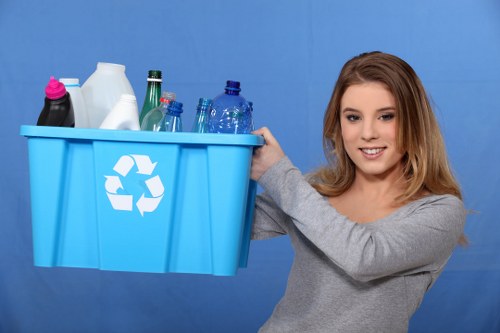
Risk Assessment and Control Measures
Risk assessments for each job must be carried out before work begins. Typical controls include safe lifting techniques, mechanical aids for heavy items, traffic management around collection areas and segregation of hazardous materials from general refuse. For waste removal projects, identify sharps, chemical containers, asbestos-like materials and other special wastes and apply the appropriate containment and handling methods. Use clear signage, secure loads and maintain clean pathways to reduce slips, trips and falls.Safe Work Practices: Teams engaged in junk pickup and waste clearance should follow standard operating procedures for manual handling, vehicle loading and use of power tools. Always plan lifts, maintain three points of contact on vehicles and use spotting assistance when reversing. When performing bulky item removal, use two-person lifts or mechanical lifting aids where practicable. Consider weather effects on surfaces and vehicle stability during outdoor removal jobs.
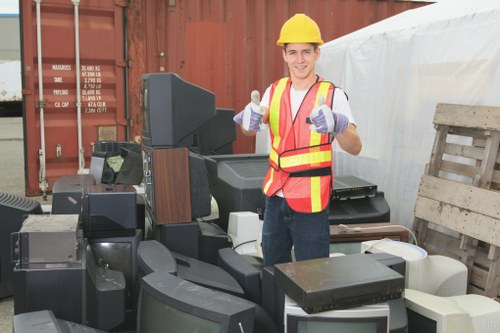
 Personal Protective Equipment and Hygiene: Appropriate PPE includes gloves resistant to cuts and punctures, high-visibility clothing, steel-toe footwear, eye protection and respiratory protection when dust or fumes are present. Encourage good hygiene practices: wash hands before breaks and after handling waste, and provide hand-cleaning facilities in vehicles and at depots. Replace contaminated PPE promptly and dispose of single-use items safely to avoid contamination of clean areas.
Vehicle, Machinery and Site Safety
Vehicles and equipment used in junk clearance must be maintained to a high standard. Daily checks should cover brakes, lights, securing straps and load covers. Only trained operators may use compactors, forklifts and lifting equipment. On-site, establish exclusion zones for public safety, use cones and barriers, and ensure secure parking. Maintain clear communication with site teams using radios or agreed hand signals to coordinate movements and reduce collision risks.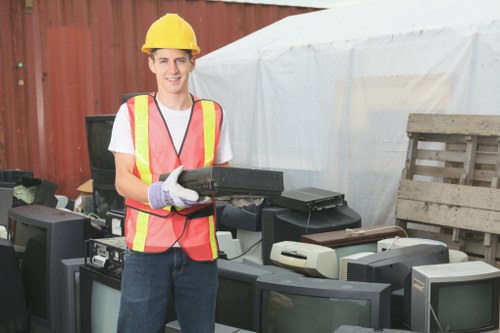
Waste Segregation, Storage and Environmental Controls
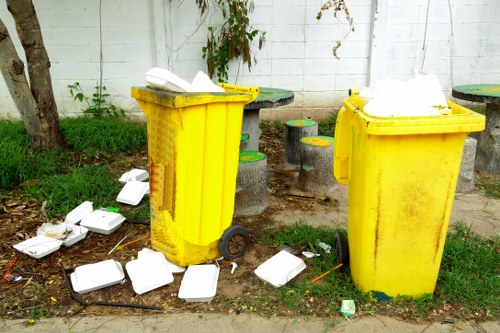
Effective separation of recyclable materials, general rubbish and hazardous items reduces risks and improves environmental outcomes. Store different waste streams in designated containers, label them clearly and avoid overloading bins. Implement spill control kits and procedures for managing liquids and contaminants encountered during house clearances or commercial cleanouts. Maintain ventilation where fumes may accumulate and use temporary containment for dusty operations. Training, Communication and Emergency Preparedness: Training is fundamental for safe junk waste services. Provide induction training for new staff, refresher courses for experienced personnel and task-specific instruction for unusual jobs. Use toolbox talks to discuss daily hazards and permit-to-work arrangements where necessary. Maintain emergency plans that cover first aid provision, injury reporting, vehicle incidents and environmental spills, and ensure staff know how to access emergency equipment and procedures.
Monitoring, Review and Continuous Improvement: Health and safety practices for junk removal and waste collection must be monitored through inspections, incident analysis and performance reviews. Record near-misses and accidents to identify trends and implement corrective actions. Encourage staff to suggest safer methods and reward adherence to safe working practices. Regularly review this policy and operational procedures to reflect lessons learned, technological advances and changing operational needs.
Conclusion: Maintaining robust health and safety standards in junk removal, debris clearance and general waste services safeguards people, property and the environment. By combining clear responsibilities, risk-based controls, appropriate PPE, competent equipment operation and continuous training we create a resilient, safety-focused service. All team members share responsibility for implementing these measures and for actively contributing to safe outcomes at every job.
Implementation of this policy should be supported by documented procedures, regular training and practical supervision so that safe waste removal becomes a day-to-day practice rather than an aspiration.