Recycling and Sustainability — Junk Waste Removal Commitment
 Junk Waste Removal is committed to reducing landfill waste and building a circular approach to the way we collect, sort and rehome items. Our sustainable waste collection practices combine local partnerships, careful material sorting and a modern low-emissions fleet so that every collection contributes to a measurable environmental outcome. This page outlines our recycling goals, how we work with borough transfer stations, our charity reuse channels and the green vehicles that deliver our service.
Our Recycling Percentage Target and What It Means
We have set a clear, ambitious recycling percentage target: to recycle or divert 75% of all collected junk and household waste from landfill by 2028. This diversion goal applies across residential clearances, commercial decluttering and light construction debris handled by our junk removal teams. Hitting this number requires accurate on-site sorting, strong relationships with local transfer stations, expanded reuse channels and continuous monitoring of our waste streams.
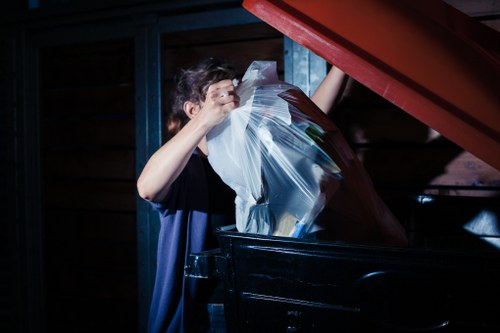 Local context matters: many boroughs operate separation schemes that make our job both easier and more effective. In areas where councils provide separate bins for paper, glass, mixed plastics, food waste and residual refuse we work to respect and complement those systems. We also tailor our collection approach to borough-specific rules — for example, segregating bulky metal items from general furniture so metals can be sent to specialist recycling facilities rather than the tip.
Partnerships with Transfer Stations and Local Facilities
We maintain active relationships with several local transfer stations and civic amenity sites to ensure materials reach the right processing stream. These facilities provide the separation and consolidation infrastructure we rely on: drop-off points for recoverable wood, mixed construction waste, inert rubble, ferrous and non-ferrous metals, and controlled streams for plasterboard and certain plastics. By routing material correctly through approved transfer stations we minimize contamination and maximize recyclable yields.
 Charities and reuse networks are central to our sustainability model. Instead of consigning reusable items to disposal, our crews document furniture, appliances and other serviceable goods and coordinate with local nonprofit partners for donation. Typical recovery items include working white goods, sofas, tables, working bicycles and small electricals. This reuse-first approach reduces environmental impact, supports community organisations and lengthens the useful life of many products.
We also operate a prioritized sorting hierarchy on every job: repair and donate, then recycle, then recover energy, and only as a last resort, landfill. This waste hierarchy is applied at the curb, in our depots and at partner transfer stations to ensure the greatest possible proportion of collected materials is diverted from landfill.
To support targeted recycling efforts we track material types and volumes using a simple categorization system: cardboard & mixed paper, glass, metals (steel, aluminum), wood, textiles, plastics (sorted where possible), inert construction materials and electronic waste. In boroughs with separate food waste collections we ensure any organic matter collected accidentally with bulky items is separated and routed to anaerobic digestion or composting facilities rather than incineration.
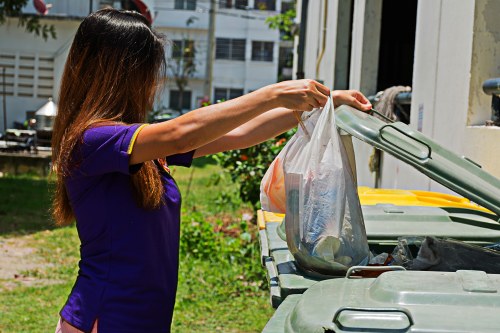 Many boroughs emphasise electrical waste separation — batteries, small appliances and IT equipment have specialist recycling requirements. We operate a safe handling protocol for e-waste and batteries that complies with producer responsibility principles and keep a chain-of-custody record for hazardous streams. When items cannot be reused, the correct recovery route is applied: certified electronics recyclers for WEEE, scrap merchants for metals and licensed wood processors for timber.
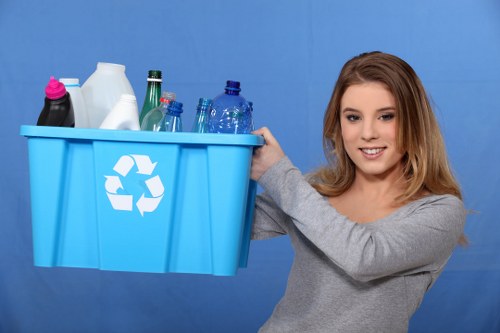 A key piece of our low-carbon strategy is fleet decarbonisation. Our low-carbon vans include a mix of battery-electric vehicles and efficient hybrid models deployed first on high-density routes to reduce urban emissions and noise. Alongside electrification we use route optimization software and consolidated pick-ups to minimize mileage and unnecessary idling — actions that lower CO2 emissions and improve air quality in the communities we serve. Our operations team reports vehicle emissions and fuel use and integrates those metrics into our sustainability dashboard.
We quantify progress with quarterly diversion reports that compare collected volumes against materials successfully reused, recycled or otherwise diverted. These reports help us identify contamination hotspots and adjust crew training or on-site sorting methods. Training is ongoing: every crew member receives instruction in local borough separation rules, safe handling for hazardous items and best-practice donation procedures so that reuse opportunities are maximized.
Community engagement is another pillar of our approach. We support local reuse events, collaborate with charity partners to prioritize vulnerable households for donations and provide clear guidance to customers about what can be rescued and what must be recycled. Our aim is to foster a culture where junk removal becomes an opportunity for recovery and community support rather than simple disposal.
We continually refine our targets and tactics in line with emerging policies and innovations. By combining a 75% diversion target, reliable transfer station partnerships, robust charity reuse channels and a transition to low-emission vehicles, our junk removal service contributes to a healthier waste system and a lower-carbon future. We measure, report and improve — and we invite communities to join us in making every clearance count for the planet.