Five Recycling Myths That Raise Your Waste Bills
If your waste bill has crept up lately, recycling habits may be part of the problem. Not because recycling itself is expensive, but because a few stubborn myths can lead to overfilled bins, rejected loads, extra collection charges, and a lot of avoidable faff. The tricky part is that these myths often sound sensible at first glance. They're the sort of thing people repeat without checking. This guide breaks down Five Recycling Myths That Raise Your Waste Bills, shows what is actually happening behind the scenes, and gives you practical ways to keep costs under control without making life harder than it needs to be.
Whether you're clearing a home, managing an office, or dealing with awkward bulky items, the same mistakes can quietly add to your spend. Let's make it clear, plain and useful.
Why Five Recycling Myths That Raise Your Waste Bills Matters
Waste bills rise for boring reasons more often than dramatic ones. A bin gets contaminated, a load needs sorting again, a collection takes longer than expected, or reusable material ends up treated as mixed waste. Each of those little slip-ups can nudge the total upwards. No one notices the first time. Then it happens again. And again.
Recycling myths matter because they change behaviour. If you believe everything can go in one container, you may create contamination. If you assume all items are recyclable somewhere, you may spend time and money transporting materials that still need specialist handling. If you think "clean enough" is always fine, you can accidentally turn a good load into a rejected one. Waste operators, sorting facilities and councils all have rules about what can go where, and mixed or dirty loads are usually costlier to process.
For households, the result can be extra fees or more frequent collections. For landlords, shops and offices, the cost can show up as wasted labour time, larger skips, or a service level that looks fine on paper but keeps drifting in real life. In our experience, this is where people get caught out: not by one huge error, but by five small assumptions. That's the heart of it.
Expert summary: The cheapest waste job is usually the one that is sorted properly before collection. The most expensive one is the load that looks tidy but is actually mixed, contaminated, or misclassified.
Myth-driven costs are rarely obvious at first
You will notice that cost increases often hide in the background. A single wrong bag in a recycling container may not feel like much. But over time, repeated contamination can force changes to collection frequency, bin size, or disposal method. That is where the bill starts drifting.
Another wrinkle: some items are recyclable in principle but not in your chosen collection stream. That sounds minor, but it matters a lot. "Recyclable" does not always mean "accepted in this bin today." A frustrating distinction, yes, but an important one.
How Five Recycling Myths That Raise Your Waste Bills Works
The mechanism is simple enough once you strip away the jargon. Waste services charge based on how much needs to be collected, how difficult it is to handle, and how much sorting or disposal work remains after collection. Myths interfere with those factors in predictable ways.
Myth 1: everything recyclable can go in the same container
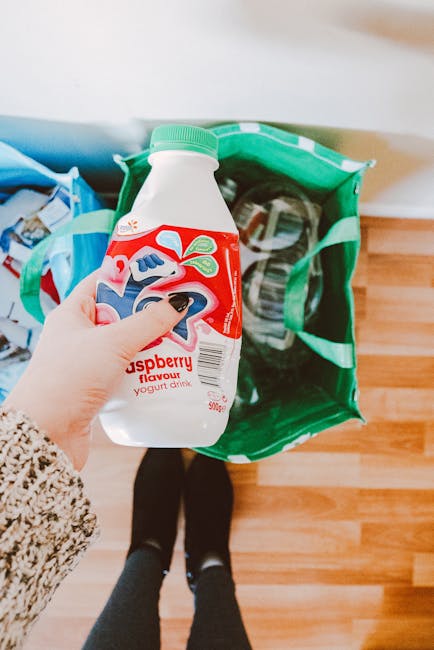
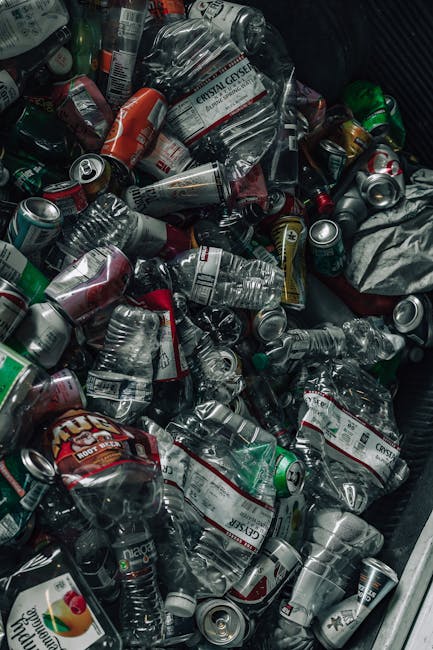
In reality, recycling streams are usually more specific than people think. Paper, cardboard, plastics, metals, glass and food waste may all be collected differently depending on the service. Put the wrong thing in the wrong place and the whole batch can be downgraded. That creates extra handling, and extra handling costs money.
Myth 2: rinsing items slightly is always enough
A quick rinse helps sometimes, but greasy containers, food-soiled paper, and sticky packaging can still be a problem. Facilities may reject items that are too dirty because contamination affects processing quality. You don't need to scrub every jar like it's going back in the kitchen cupboard, but "a bit of a swirl" is not a universal fix. Truth be told, that myth is one of the easiest ways to create hidden cost.
Myth 3: bulkier recycling always saves money
People often assume collecting everything at once is cheaper. Sometimes it is. Sometimes it isn't. If bulky items are mixed with the wrong materials, or if they require dismantling before disposal, you can end up paying for unnecessary labour. A neat pile of flat-pack furniture is very different from a tangled heap of wardrobes, mirrors, and broken shelving. Anyone who has ever lifted a damp chipboard panel knows the smell, too. Not pleasant.
Myth 4: one-off sorting is enough
Lots of people do a big clear-out, sort everything once, and assume the job is done. Then the next week the same confusion returns. Waste bills are often shaped by habits, not one tidy afternoon. If your kitchen, garage, loft, or office keeps producing mixed waste, the cost pressure comes back every cycle.
Myth 5: recycling is always free or always cheaper than disposal
Sometimes it is cheaper. Sometimes it isn't. The real answer depends on item type, collection logistics, access, labour, and where the materials end up. For example, furniture disposal and furniture clearance can involve different levels of sorting and transport, and that affects the price. You can learn more about the practical side of handling mixed household items through the site's furniture disposal and furniture clearance pages, which are helpful if you are comparing options for bulky items.
That's the basic machine behind the bill: myths create sorting errors; sorting errors create contamination or extra handling; extra handling creates higher costs. Simple, but annoyingly easy to miss.
Key Benefits and Practical Advantages
Once you stop relying on myths, waste management gets easier to predict. You may not notice the savings in one day, but you will feel them over time. Fewer rejected items. Fewer repeat collections. Less bin overflow. Less time spent wondering where something should go.
- Lower collection costs: cleaner, better-sorted waste is easier and cheaper to process.
- Fewer contamination problems: the recycling stream stays usable instead of being downgraded.
- Better space use: you avoid paying for unnecessary extra bins or oversized collections.
- Less labour: if items are sorted before collection, staff spend less time handling them.
- Improved planning: once you know what goes where, you can schedule waste removal more accurately.
There's also a quieter benefit: less stress. Waste doesn't need to be complicated. When a system works, it fades into the background. That's what you want, really. A process that just gets on with it.
If you are dealing with business premises, a good structure can make an even bigger difference. Office and commercial waste tends to build up fast, especially when desks, packaging, printers, paper, and old fittings all appear at once. A clearer process paired with sensible business waste removal can reduce mistakes that lead to inflated costs.
Who This Is For and When It Makes Sense
This topic is relevant to almost anyone paying for waste collection, but some groups feel the impact more sharply.
Homeowners and renters
If you are decluttering a flat, clearing a house, or finally tackling the loft, recycling myths can create extra waste volume and needless confusion. A pile of old lamps, packaging, furniture and mixed rubbish can become expensive quickly if it is not sorted sensibly. Services like house clearance, home clearance, and flat clearance are often more efficient when the items are pre-sorted in a practical way.
Landlords and letting agents
End-of-tenancy clear-outs are a classic trouble spot. A tenant may leave behind "recyclable" clutter that is actually mixed waste, or usable furniture that still needs removal and disposal. Costs rise when the job takes longer than expected. If you ever open a cupboard and find three bags of mystery cables and one chair leg, you know the feeling.
Business owners and office managers
Workplaces generate varied waste streams. Paper, packaging, electrical items and furniture all need different handling. A small error can turn a straightforward collection into a mess of sorting, delay and extra charges. That's why thoughtful office clearance planning matters.
Trades, builders, and property renovators
Construction and refurbishment waste is especially costly when misunderstood. Plasterboard, timber, rubble, fixtures and mixed offcuts rarely belong in the same approach. If you are moving through a renovation or finishing a job, looking at builders waste clearance early can prevent the usual pile-up.
In short, if waste leaves your site regularly, or if you are about to generate a lot of it at once, this is for you. The bigger the volume, the more myth-based mistakes tend to cost.
Step-by-Step Guidance
Here is the practical bit. If you want to reduce waste bills, you need a system you can repeat. Not perfection. Just consistency.
- Separate waste by type before collection. Keep cardboard, clean plastics, general rubbish, metal, furniture and electrical items apart where possible. Even a basic split helps.
- Check what your chosen service actually accepts. Do not assume. A collection service, council stream, or skip type may have different rules.
- Remove obvious contamination. Empty food containers, flatten cardboard, and keep wet material away from dry recyclables.
- Break down bulky items safely. Flatten boxes, dismantle small furniture if you can do it safely, and stack items so they can be loaded efficiently.
- Keep reusable items separate. If something still has life in it, consider whether it belongs in a clearance stream rather than immediate disposal.
- Estimate volume honestly. Underestimating waste is a common reason for surprise charges. A single garage can hold more than you think.
- Review what keeps recurring. If the same sort of waste appears every month, create a standing process instead of reinventing it each time.
That last point matters more than people expect. Waste gets expensive when every collection starts from scratch. A routine feels a bit dull, but dull is good here. Dull saves money.
For regular household or property-based clear-outs, it may help to compare the kind of removal needed. A garden tidy-up, for example, behaves differently from loft junk, furniture, or business waste. The site's garden clearance, garage clearance, and loft clearance pages can help frame the sort of collection involved.
Expert Tips for Better Results
If you want better results without overcomplicating the process, a few habits make a big difference.
- Think in streams, not just items. One chair is not just a chair. It may be wood, fabric, metal fixings and foam, which affects how it is handled.
- Sort at the point of generation. Put recycling containers where waste is created, not where you remember it later. Kitchens, copy points, trade benches and packing stations all benefit.
- Use a "too difficult" box. If an item needs special handling, separate it immediately instead of letting it contaminate the main pile.
- Take photos before a quote where appropriate. Clear photos of bulky waste or a full room can reduce underestimation and surprise charges.
- Plan access too. Narrow stairs, long carries, parking limits, and awkward loading spaces all affect the final job. Cost is not just about what you throw away; it's also about how hard it is to move.
A small real-world example: a family clearing a spare room may think they have "just a few bits." In practice, it's three broken wardrobes, two mattresses, a bag of cables, old packaging from flat-pack furniture, and a paint tin that needs special handling. That is not a "few bits" anymore. It is a mixed load with several price drivers hidden inside it.
Also, keep an eye on seasonal clutter. After a house move, a renovation, or the January tidy-up, waste volumes jump. That's usually when myth-based decisions show up most clearly. January light is cold and honest; the pile in the corner suddenly looks much bigger. Funny how that happens.
Common Mistakes to Avoid
These are the mistakes that most often raise bills. Nothing exotic. Just the usual culprits.
- Putting dirty items in recycling: food residue, liquids and grease can spoil a load.
- Mixing recyclable and non-recyclable waste: this is one of the fastest ways to increase sorting costs.
- Assuming all furniture is the same: sofas, wardrobes and flat-pack items can need different treatment.
- Leaving everything for collection day: last-minute sorting almost always leads to errors.
- Underestimating quantity: if the load is larger than expected, the price usually changes too.
- Ignoring reusable options: throwing away items that could be cleared separately can cost more than necessary.
There's also a subtler mistake: believing that a bit of contamination is harmless because "someone else will sort it later." Sometimes they will. And you will pay for that later. Not ideal.
Tools, Resources and Recommendations
You do not need fancy software or a spreadsheet empire to manage waste properly, but a few simple tools help a lot.
- Clearly labelled containers: use separate bins or bags for dry recycling, general waste and special items.
- Basic weighing or volume checks: even a rough estimate helps you choose the right collection size.
- Phone camera: useful for documenting what you have, especially before booking a collection or disposal service.
- Marker pens and labels: especially useful in offices, shared homes, and trades settings.
- A regular review point: once a month is enough for most households and small businesses.
If you are comparing costs or trying to understand where price differences come from, a transparent pricing page is worth reading before you book. The pricing and quotes page can help set expectations, while recycling and sustainability gives helpful context around how responsible handling supports better outcomes.
And if you are unsure about insurance, safety, or how items are handled on site, it is sensible to check the relevant service information before committing. That sort of reading takes a few minutes and can save a headache later.
Law, Compliance, Standards, or Best Practice
Waste and recycling in the UK are shaped by legal duties, local collection arrangements, and common-sense best practice. The exact rules depend on the material, the service provider, and whether the waste is domestic or commercial. Rather than guessing, it is safer to check what applies to your specific situation.
For businesses, duty-of-care expectations are especially important. You should be able to show that waste has been handled properly, transferred to an appropriate carrier, and separated sensibly where required. For households, the main risk is usually incorrect sorting, contamination, or placing restricted items in the wrong stream. Either way, sloppy handling can create extra charges and avoidable problems.
Best practice is straightforward:
- keep waste streams separate where possible;
- do not mix hazardous or special items with general rubbish;
- store waste safely until collection;
- use a provider that explains what it accepts and how it handles different materials;
- keep records where a business or landlord needs to demonstrate proper handling.
If your waste situation involves access issues, heavy lifting, sharp materials or potentially awkward items, safety matters too. The site's health and safety policy and insurance and safety information are useful if you want reassurance about how a service approaches risk and responsibility.
One practical note: compliance is easier when you treat waste as a process rather than an afterthought. That sounds obvious, maybe even a bit dull, but it is usually the difference between smooth collection and an expensive clean-up.
Options, Methods, or Comparison Table
Different waste-handling approaches suit different situations. The right choice depends on volume, item type, urgency and how much sorting you want to do yourself.
| Method | Best for | Strengths | Watch-outs |
|---|---|---|---|
| Self-sorting and council recycling | Routine household waste with clear categories | Low cost, familiar, convenient for everyday items | Not ideal for bulky, mixed, or awkward waste |
| Dedicated clearance service | Mixed household, office, or bulky items | Less labour for you, faster removal, better for irregular loads | Price depends on volume, access, and item type |
| Specialist disposal for specific items | Furniture, fittings, builder's waste, or heavy loads | More appropriate handling and less contamination risk | May need more planning and careful separation |
For many people, the sweet spot is a mixed approach. Recycle what you can cleanly, separate the awkward items, and use a professional clearance route for the rest. That tends to keep costs more predictable. If you need support with difficult furniture or a full property clear-out, services such as furniture clearance and house clearance are often the most practical route.
Case Study or Real-World Example
A small office in a converted building had been paying more than expected for waste removal. Nothing dramatic had changed, so the team assumed the provider had raised prices. After a proper review, the issue turned out to be far simpler. Recycling bins were being used for mixed paper, coffee cups, food scraps and packaging from deliveries. A few old chairs had also been added to the wrong collection without being separated from general waste. No one was being careless on purpose. They just had a few bad habits.
Once the office introduced labelled bins, moved one recycling point closer to the printer area, and separated bulky items for a planned office collection, the problem eased quickly. Staff also stopped using recycling as a "maybe this is fine" bin, which, to be fair, is how a lot of waste systems slowly go off the rails.
The result was not magic. It was basic discipline. But the bill became easier to forecast, and the team stopped losing time on the same old sorting arguments. That is usually what people want most: fewer surprises, less wasted effort, and a cleaner process that does not need babysitting.
Practical Checklist
Use this quick checklist before your next collection or clearance job.
- Have I separated recyclables, general waste and bulky items?
- Are any containers dirty, wet or contaminated?
- Do I know which items need special handling?
- Have I estimated the volume honestly?
- Is access to the property or loading area clear?
- Have I dismantled anything safely where possible?
- Are reusable items kept apart from waste?
- Do I know whether I need a domestic, commercial or specialist collection?
- Have I checked the provider's pricing and safety information?
- Is there a repeat process for the next time waste builds up?
If you can tick most of those boxes, you are already ahead of the game. Seriously. Most waste cost problems start because one or two of them get ignored.
Conclusion
The five recycling myths that raise your waste bills all have one thing in common: they make waste seem simpler than it really is. That simplicity is tempting. Everyone wants a quick answer, especially when bags are piling up and space is tight. But real savings usually come from clear sorting, realistic planning, and knowing which items need a different route.
Once you stop assuming that all recyclable material is interchangeable, or that a quick rinse solves everything, your waste process becomes much easier to control. You reduce contamination, avoid extra charges, and save time. Not glamorous, perhaps. Very effective though.
If you are dealing with mixed rubbish, bulky items, or a property clear-out, a sensible disposal plan can make a visible difference to the bill and to your day. That is the quiet win here: fewer surprises, fewer wasted trips, and a cleaner way of working.
Get a free quote today and see how much you can save.
And if you take one thing away, let it be this: small sorting habits are rarely small on the bill. Get those right, and the rest tends to fall into place.
Frequently Asked Questions
What are the most common recycling myths that increase waste costs?
The most common myths are that all recyclable items can go together, that lightly dirty containers are always fine, that bulky items are automatically cheaper to recycle, and that one-off sorting solves the problem permanently. Each can create contamination or extra handling, which often increases the bill.
Why does contaminated recycling cost more?
Contaminated recycling may need to be re-sorted, downgraded, or treated as general waste. That creates more labour and processing work, which is why charges can rise. In some cases, the whole load is affected, not just the one wrong item.
Is recycling always cheaper than disposal?
No, not always. The cost depends on the item type, volume, condition, access, and how much sorting is needed. Some recyclable materials are straightforward, while others need more work to handle properly.
Can I just put slightly dirty containers in recycling?
Sometimes yes, but not always. A quick rinse is often enough for some household packaging, but greasy, food-soiled or sticky items can still cause contamination. If in doubt, clean the item properly or follow the collection guidance you have been given.
How can I tell whether an item should be recycled or cleared as waste?
Ask whether it is clean, accepted in your collection stream, and safe to handle with the rest of your recycling. If it is bulky, mixed-material, damaged, or hard to classify, it may be better suited to a clearance or disposal service.
Do office waste rules differ from home recycling?
Yes, they often do. Offices produce larger amounts of paper, packaging, furniture and occasional electrical items, so the collection method and duty-of-care expectations can be more involved. A workplace usually benefits from a clearer waste system than a home.
What should I do with old furniture if I want to keep costs down?
Separate reusable pieces from broken or unsafe ones, and avoid mixing furniture with general rubbish if you can help it. Furniture-specific services such as furniture clearance or furniture disposal can be more efficient when the items are grouped and ready to move.
Does flattening cardboard really make a difference?
Yes. Flattened cardboard takes up less space, so it is easier to store, transport and process. It can also reduce the chance of overfilling bins, which is one of those tiny things that makes a surprisingly big difference over time.
How often should I review my waste habits?
For most homes and small businesses, a monthly check is enough. If you are in the middle of a move, refurbishment or busy trading period, review it more often. The aim is to catch patterns before they become expensive habits.
What is the safest way to manage mixed waste at home?
Separate anything sharp, heavy, dirty or unusual first, then group the remaining waste by type. Keep an eye on bulky items, old electronics and materials that may need special handling. If the pile is bigger than expected, it is usually wiser to plan a dedicated clearance rather than forcing everything into one collection.
Where can I find more information about responsible recycling and waste handling?
Start with the provider's own guidance on recycling, sustainability, pricing, safety and terms. For a useful overview of the company's approach, the pages on recycling and sustainability, pricing and quotes, and health and safety are a sensible place to begin.
When should I book professional waste removal instead of handling it myself?
If the waste is bulky, mixed, heavy, awkward to move, or likely to cause contamination issues, professional removal is often the better choice. It saves time and reduces the chance of hidden cost mistakes. Sometimes the cleanest option is simply the easiest one.